The Real World
Seven strangers, one loft, endless drama. In 1992 MTV put seven strangers in a New York loft and filmed them. How The Real World set the template for modern reality TV.

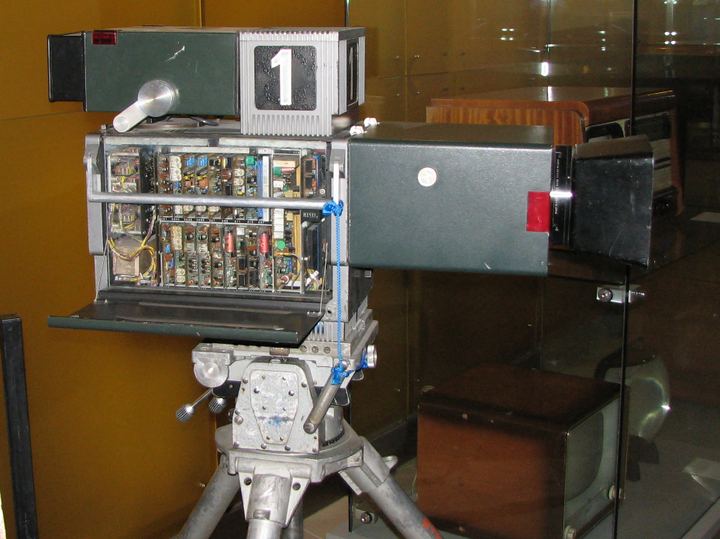
A studio camera ready to roll: NJM2010, CC BY-SA 3.0
Pick seven strangers
In 1992, MTV tried an experiment. Producers converted a 4,000-square-foot duplex in New York's SoHo, picked seven young people from about 500 applicants and filmed them living together. Each cast member was paid $2,600 for the season.
The famous opening narration promised to show what happens when strangers stop being polite and start getting real. It turned out that was exactly what audiences wanted to see.
A rushed debut and grumpy critics
The roommates lived in the loft from February 16 to May 18, 1992. Just three days after they moved out, the series premiered. Early reviews were mostly unfavourable, with some critics calling it bogus and exploitative.
Viewers did not care, darling. They tuned in, and kept tuning in. The show ran for decades, and by 2011 it had already reached 25 seasons in different cities.
Those early critics had a point about how strange it felt to watch real people live on camera, but they underestimated how gripping it could be. The ordinary moments, from house meetings to late-night talks, turned out to be the hook.
Why it felt new
Earlier documentaries had followed real people, but The Real World turned that idea into a repeatable, cast-based series with a fresh group and a new city each season. Its confessional interviews, where cast members talked straight to camera about each other, became a staple of the genre.
It was also cheap compared with a scripted show: no writers, no costume department, no star salaries. That business lesson was not lost on the TV industry.
The template
Mental Floss and other entertainment writers credit The Real World with setting the pattern for later franchises, from Survivor to The Bachelor to The Real Housewives. If you have ever watched housemates argue over the dishes on TV, you have seen its influence.
The show also changed who got to be on television. Instead of polished actors, it featured young people with jobs, ambitions and opinions, arguing about real issues of the day as well as whose turn it was to clean. That mix of everyday life and big conversations made it feel fresh to a young MTV audience, and it gave producers a format they could refresh simply by casting a new group and moving to a new city.
Facts on this page were checked against these sources.
- A studio camera ready to roll: NJM2010, CC BY-SA 3.0
Text written by Drama Momma.