Candid Camera
The hidden-camera show that started it all. Candid Camera debuted on ABC in August 1948 and caught ordinary people reacting to harmless pranks. How a hidden camera kicked off reality TV.
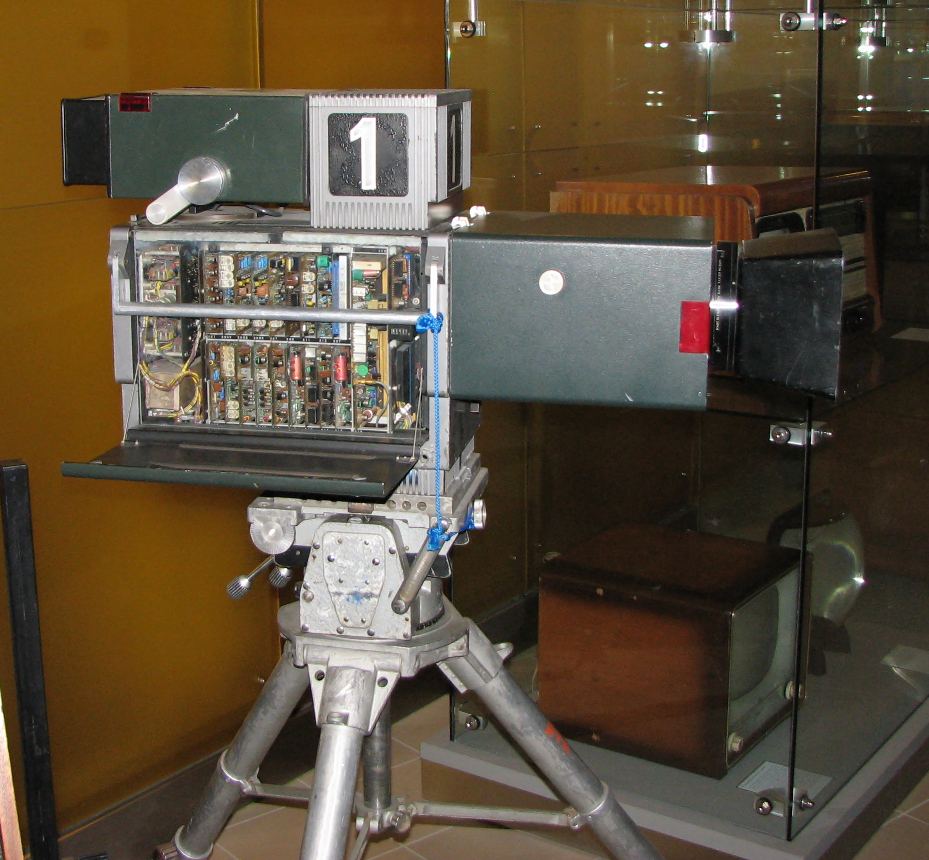
An early television camera: cs:User:DaBler, CC BY-SA 3.0
Smile, sweetie, you're on TV
Long before anyone said the words reality TV, there was Candid Camera. The show premiered on ABC on August 10, 1948, under the title Candid Microphone, the name of the radio program it grew out of. The idea was simple and sneaky: hide a camera, set up a gentle prank and film how ordinary people react.
The Museum of Broadcast Communications calls it the first and longest-running reality-based comedy program. Not bad for a show built on talking mailboxes.
The pranks
In the world of Candid Camera, mailboxes chatted with passers-by, cars rolled along without engines and office workers found themselves in absurd situations. The stars were the unsuspecting mechanics, clerks and customers, and the comedy came from their very real confusion and delight.
Creator and host Allen Funt said he wanted to go beyond what people said and record what they actually did: their gestures, their faces, their double takes. That is still the engine of reality TV today.
The pranks were gentle by design. The joke was never meant to humiliate anyone, and the famous reveal at the end let the person in on the fun. That warmth is a big reason the show lasted so long and stayed so beloved.
Network hopping
The show changed its name to Candid Camera when it moved to NBC in 1949, but it bounced around the schedule for years. It finally settled at CBS in 1960, and for the next seven years it was consistently rated among television's top ten shows.
Later versions kept the format alive, including a syndicated run from 1974 to 1978 and revivals in the decades that followed.
Why it matters
Every hidden-camera prank show and every viral clip of someone being gently fooled owes something to Candid Camera. It showed that real people, caught being themselves, could be as entertaining as any script.
The show also had a talent for timing. It arrived just as television itself was arriving in American homes, and it gave the new medium something radio could not: real faces, caught in real moments of surprise. Many viewers were watching TV for the first time, and they were watching people a lot like themselves. That sense of recognition is still the secret ingredient of the best reality shows.
Facts on this page were checked against these sources.
- An early television camera: cs:User:DaBler, CC BY-SA 3.0
Text written by Drama Momma.