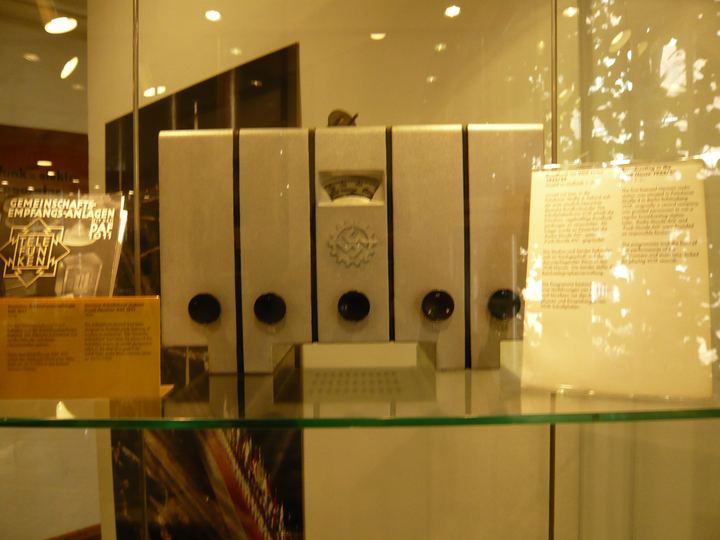
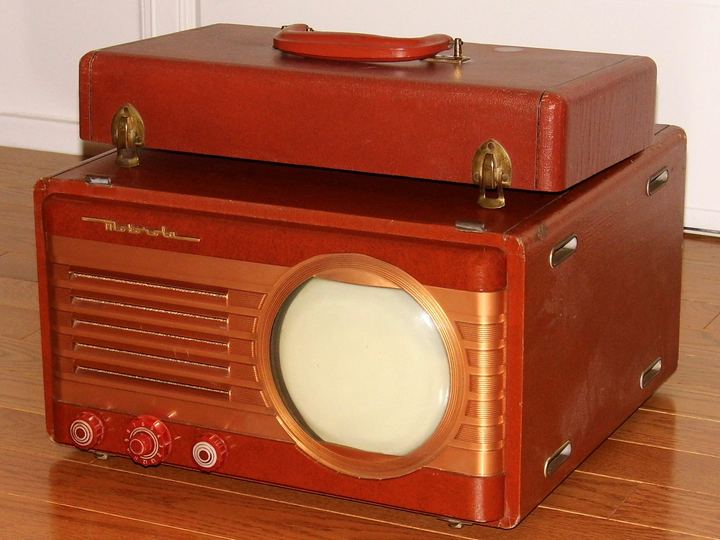
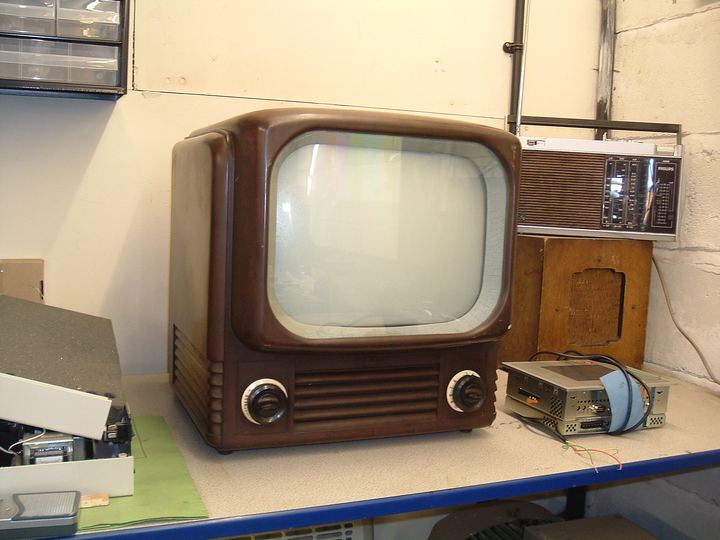
Guiding Light
72 years, from radio to TV. Guiding Light began on NBC radio in 1937, moved to CBS TV in 1952 and ended in 2009 after 72 years and more than 15,700 episodes.
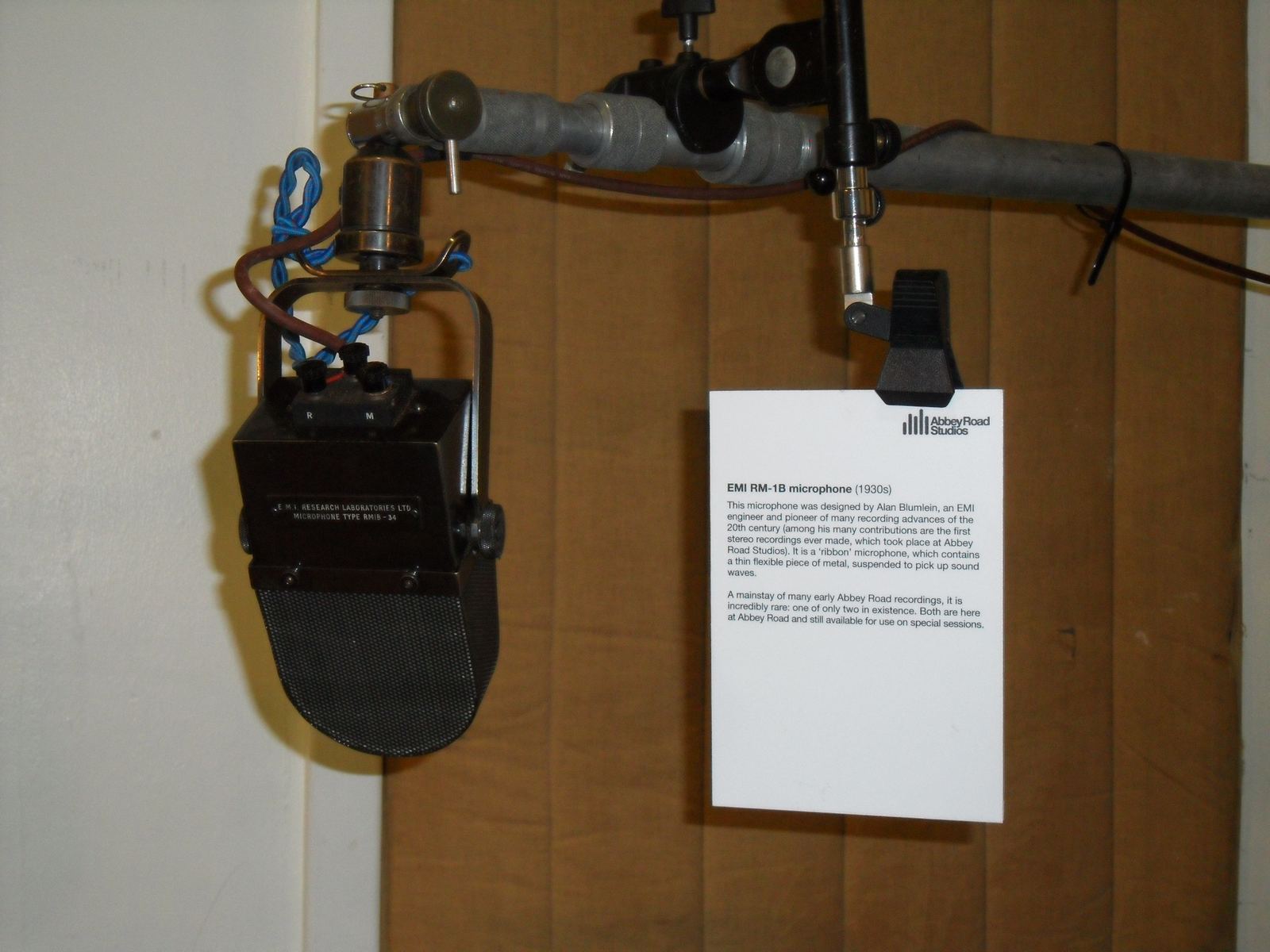
A 1930s broadcast microphone: Josephenus P. Riley, CC BY 2.0
Born on the radio
Guiding Light started life on January 25, 1937, as a 15-minute radio serial on NBC called The Guiding Light. It was created by Irna Phillips, the writer often called the queen of the soaps, and it was one of the dramas Procter & Gamble backed during the radio soap boom.
Radio listeners followed its families for years before most homes even had a television set.
Two stages at once
On June 30, 1952, the show jumped to CBS Television, still in 15-minute episodes. Here is the fun part, darling: it did not leave radio straight away. For several years the same actors played their parts on both the radio and TV versions, until the radio show ended in 1956.
In 1967 the series was first broadcast in colour, and over the following decades it grew into a full daytime drama with a huge cast and storylines that spanned generations.
That made Guiding Light a rare bridge between two eras. Fans who had followed the characters by ear could now see their faces for the first time, and the show carried its loyal radio audience straight into the television age.
The record-breaking run
By the time CBS aired the final episode on Friday, September 18, 2009, Guiding Light had spanned 72 years and more than 15,700 episodes across radio and television. Writers have described it as one of the longest stories ever told, and it is regularly cited as the longest-running drama in broadcast history.
Think about that: listeners who heard the first radio episodes could have watched the finale with their great-grandchildren.
Why it ended
Daytime television changed a lot in the 2000s, with audiences shifting to cable, the internet and new kinds of shows. CBS chose to end the series in 2009. Its long life remains a reminder of how deeply soaps once wove themselves into everyday routines.
The show's history also shows how television grew up. It began when families gathered around a radio set, survived the jump to black-and-white TV, switched to colour in the 1960s and was still on the air in the age of the internet. Few programs anywhere have lived through so many changes in how people watch, and that is why TV historians keep coming back to it.
- Radio & Television Business Report: Guiding Light ends in September
- Museum of Broadcast Communications: Phillips, Irna
- Encyclopedia.com: Soap Operas
Facts on this page were checked against these sources.
- A 1930s broadcast microphone: Josephenus P. Riley, CC BY 2.0
Text written by Drama Momma.
← Why They're Called Soap OperasThe 1950s Quiz Show Scandals →